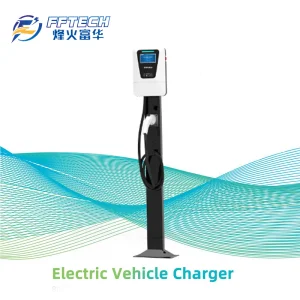
VoltNode Charger
Premier Dual-Port EV Chargers & High-Power Hardware
Engineered to satisfy industrial infrastructure requirements, featuring OCPP 1.6J integration and dynamic load allocation protocols.
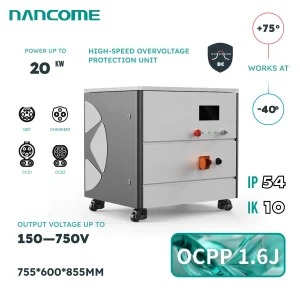
Rapid 20kw DC Electric Vehicle Charger for Emergency Assistance
View Technical Specifications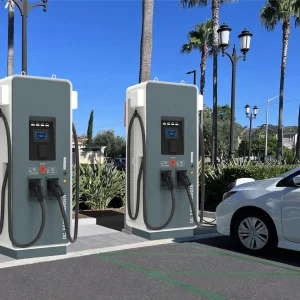
120kw Dual-Port Cc2 Charger Cc1 Charging Guns Fleet Car Charging Station Workplace EV Charging Stations Level 2 EV Charger WiFi
View Technical Specifications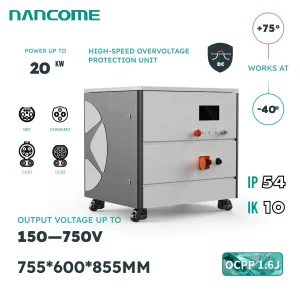
Fast Charging Nancome Ocpp Car Charger for CCS2 Models
View Technical Specifications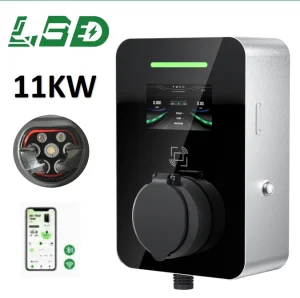
7kw/11kw/22kw 3 Phase Type 2 IP 66 AC EV Charger Wallbox Electric Vehicle Charging Station Commercial Version
View Technical Specifications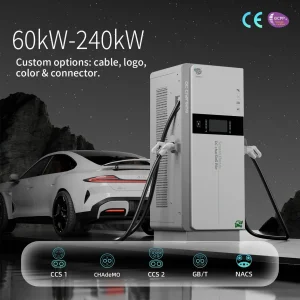
DC Fast Charging Pile CE/TUV/Rhos Car DC EV Charger for Electric Vehicle
View Technical Specifications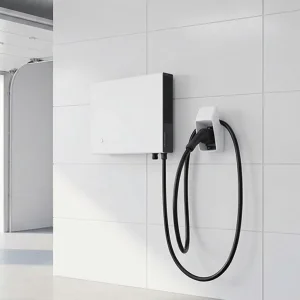
Fast DC EV Charging Pile with High Power Factor Voltage Range 1000VDC 125A Current
View Technical Specifications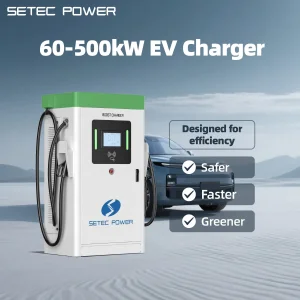
Level 3 Fast DC EV Charger 60kW-500kW Best Commercial Ev Charging Stations
View Technical Specifications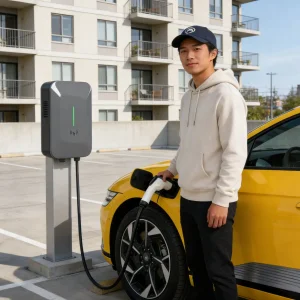
Type 2 Charger Three Phase Industrial EV Portable
View Technical Specifications1. Executive Strategy & Enterprise Foundations
The modern electric mobility landscape demands charging architectures that balance power throughput, physical footprint, grid load constraints, and high availability. As the global transportation framework shifts rapidly toward zero-emission systems, Dongguan VoltNode Charger Co., Ltd. stands at the forefront of this industrial transformation. Operating a high-tech manufacturing base of over 10,000 m² in Dongguan and supported by 350+ skilled specialists, we engineer state-of-the-art dual-port charging devices that reduce footprint requirements while doubling deployment efficiency.
VoltNode's production facilities integrate research, development, assembly, hardware validation, and complete operational service layers. Our solutions span high-power DC fast-charging depots, dynamic commercial AC wallboxes, GaN-enabled dual-port mobile power systems, and microgrid solar configurations. This whitepaper analyzes the technology pathways, architectural designs, compliance standards, and market deployment vectors of dual-port systems.
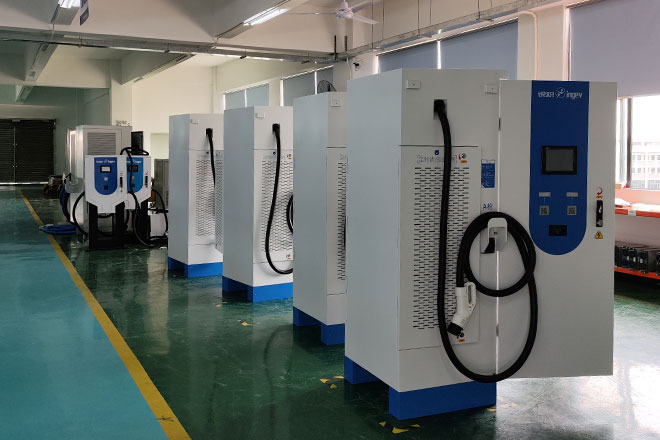
Figure 1: VoltNode's 10,000 m² high-precision EV equipment production facility in Dongguan.
2. Global Macro-Industry Challenges & Dual-Port Topologies
TCO Minimization
Installing a dual-port charger yields a significant reduction in Total Cost of Ownership (TCO). By sharing power modules, civil works, grid transformers, and network controller modules, charging operators save up to 35% on installation costs compared to deploying dual single-port units.
Dynamic Power Allocation
Modern dual-port topologies utilize dynamic matrix algorithms. When one vehicle is connected, it receives the full nominal power. Once a second vehicle plugs in, the power allocation system redistributes power modules in increments of 15kW, 20kW, or 30kW to ensure optimal charging curves for both vehicles.
High Spatial Optimization
In municipal hubs and commercial garages, physical space is at a premium. Dual-port wallboxes and floor stands provide two independent charging points from a single physical point of installation, doubling density without requiring extra structural footings or safety bollards.
3. Dual-Port Technical Architectures: High-Power DC to Consumer GaN
Comprehensive OEM/ODM engineering across the entire electrical power spectrum.
Class A: High-Power Industrial & Infrastructure DC Chargers
For infrastructure setups such as our Reliable 120kw-360kw Solar-Powered PV DC Electric Vehicle Charger or the Level 3 Fast DC Charger (60kW-500kW), the internal topology uses modular power rectifier stacks. The system consists of isolated hot-swappable modules (typically 30kW or 40kW each) controlled by a central controller board running RTOS.
- Input Rectification: Active Power Factor Correction (APFC) stages achieving >0.99 power factor and <5% Total Harmonic Distortion (THD).
- Output Control: Dual outputs configured for CCS1, CCS2, CHAdeMO, or GBT connectors, utilizing continuous contactor monitoring and insulation monitoring devices (IMD).
- Dynamic Splitting: The charging unit communicates with the BMS of both vehicles via CAN bus or PLC (ISO 15118) to balance module groups dynamically, ensuring safe thermal limits.
- Smart Cooling: Liquid-cooled cables and variable-speed fan arrays manage internal system temperatures, maintaining high performance in ambient conditions up to 55°C.
Class B: High-Efficiency Consumer & Car-Cabin GaN Adapters
For smaller dual-port equipment, such as the Amorus Pd 30W GaN USB-A + Type-C Dual Port Fast Charging Car Charger, VoltNode utilizes Gallium Nitride (GaN) semiconductors. By replacing traditional silicon transistors, our GaN architectures run at higher switching frequencies (up to 500kHz), reducing magnetic core sizes and maintaining an efficiency rating of >93% within a compact form factor.
4. Global Compliance, Grid Integration & Standards
Deploying dual-port charging infrastructure globally requires strict compliance with international electrical and network communication standards. VoltNode products are designed, verified, and certified under leading international certification frameworks, ensuring compliance with local grid codes and grid safety requirements.
Our dual-port DC and AC charging systems are certified by third-party testing organizations including CE, TUV, and SGS. Compliance with RoHS ensures that manufacturing aligns with environmental guidelines. On the software integration side, VoltNode systems support OCPP 1.6J, with firmware support for OCPP 2.0.1. This compatibility allows fleet operators to connect our hardware to various back-end software platforms for billing, user authorization, and dynamic load management.
- EMC & Safety Compliance: Compliance with EN 61851-1, EN 61851-23, and EN 61851-21-2 standards for electromagnetic compatibility in industrial and residential zones.
- IP Protection & IK Rating: Minimum IP54 protection for high-power DC systems and IP66 for the 3 Phase AC Wallbox, combined with IK10 impact protection, ensuring reliability in challenging environments.
- Grid Integration: Built-in phase imbalance protection, over-current, under-voltage, over-temperature, and integrated Type A/B residual current devices (RCD) to prevent ground faults.
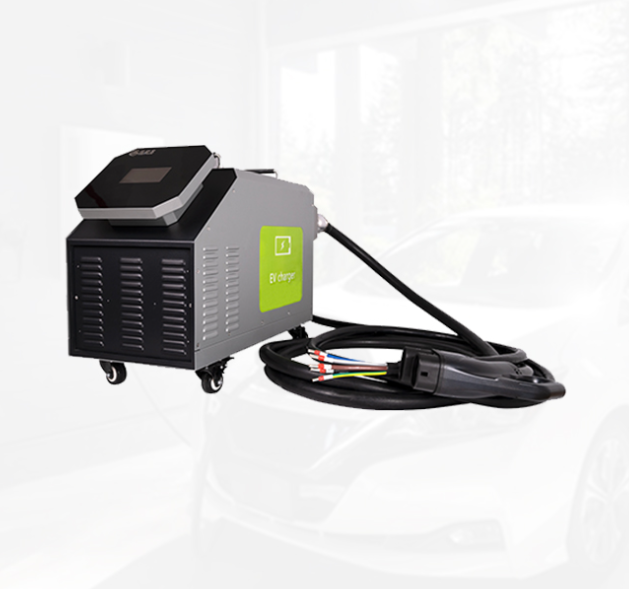
Figure 2: Quality testing and international certification workflows applied across VoltNode's product line.
5. High-Impact Use Cases for Dual-Port Equipment
Optimized charging configurations designed for fleet yards, workplaces, and off-grid integration.
Logistics & Hub Fleet Operations
Commercial distribution centers require continuous, reliable vehicle turnaround. Deploying high-efficiency 360kW DC stations with dual connectors allows two delivery trucks to charge at the same time. The system delivers up to 180kW per vehicle, optimizing overnight charging schedules and improving operational efficiency.
Multi-Family & Workplace Facilities
Apartment complexes and corporate facilities often face grid constraints. Standard 22kW dual-port AC wallboxes with integrated RFID and Bluetooth control allow tenants to share a single installation. The smart load balancing system distributes power according to vehicle needs, avoiding peak demand charges.
Solar-Integrated Microgrids
For remote installations and green-certified properties, customizable solar-powered EV chargers combine local photovoltaic generation with battery storage. Dual-port DC outputs route solar generation directly into the vehicles' batteries, reducing grid dependence and lowering carbon intensity.
6. The VoltNode OEM/ODM Design & Production Lifecycle
Hardware Customization
We tailor electrical architectures to client specifications, offering options such as internal liquid cooling, custom power module configurations (e.g., 30kW, 40kW), and specific input/output configurations.
Firmware & Software Integration
VoltNode provides OCPP software customization, offering dynamic load balancing algorithms, RFID/Bluetooth access control, and integration with third-party billing and management platforms.
Industrial Quality Control
Every production run undergoes a rigorous QC pipeline: incoming raw material inspection, high-voltage insulation testing, thermal camera analysis under load, and final functional verification prior to packaging.
7. Technical Roadmap: V2G & Grid-Interactive Charging
The future of electric vehicle charging centers on bi-directional integration with the power grid. VoltNode is developing and testing technologies that transition chargers from passive consumers of electricity to active grid resources.
Bi-directional V2G Topologies
Our next-generation dual-port DC platforms will feature bidirectional power modules. This enables Vehicle-to-Grid (V2G) operation, allowing fleet operators to discharge vehicle energy back into the local microgrid or utility network during peak hours, creating new revenue streams.
AI-Driven Load Forecasting
By integrating edge-AI processing cards within the central control units of our chargers, VoltNode enables real-time load forecasting. The charging system analyzes building energy patterns, grid demand rates, and vehicle schedules to optimize power distribution curves automatically.
Liquid-Cooled Megawatt Charging
For heavy-duty transport, VoltNode is developing liquid-cooled Megawatt Charging System (MCS) solutions. A single power cabinet will distribute high currents through dual liquid-cooled ports, delivering high energy transfer rates for next-generation electric trucks and heavy equipment.
8. Technical & Operational FAQ
Q1: How does a dual-port charger distribute power when two vehicles are connected simultaneously?
Our dual-port DC fast chargers feature dynamic power allocation. The system uses a dynamic power module matrix to allocate rectifier modules in blocks (typically 15kW, 20kW, or 30kW). The distribution is determined by the SoC (State of Charge), temperature, and power demand requested by each vehicle's BMS, ensuring safe and optimized charging profiles.
Q2: Can we customize the network communication protocols for our specific fleet software?
Yes. VoltNode products support the OCPP 1.6J protocol, which can be modified or customized to integrate with your back-end systems. We also support upgrading to OCPP 2.0.1, enabling features such as smart charging profiles, bi-directional vehicle communication, and advanced diagnostic capabilities.
Q3: What certifications do VoltNode dual-port charging stations carry?
Our charging stations comply with international electrical safety and emissions regulations. VoltNode chargers carry CE, TUV, and SGS certifications, indicating compliance with safety, performance, and environmental standards for global deployments.
Q4: How do the solar-powered EV charging stations handle grid disconnection?
VoltNode's customizable solar-powered EV chargers can operate in grid-tied, hybrid, or off-grid modes. In off-grid configurations, the system uses integrated battery storage systems to buffer solar energy and deliver continuous DC fast charging, managing load requirements independently of the utility grid.
Q5: What is the typical lead time for custom OEM/ODM production runs?
Lead times depend on the complexity of the customization. Standard OEM branding modifications typically ship within 4 to 6 weeks. Full ODM projects, which include custom housing designs, tailored PCB layouts, and specialized software integrations, typically require 12 to 16 weeks from initial design approval to the first production run.
Browse Our Complete Dual-Port & Solar Charging Portfolio
From dynamic household wallboxes to solar-connected commercial systems, discover our complete range of EV infrastructure products.

Customizable Solar-Powered EV Charger off Grid New DC Station
View Technical Specifications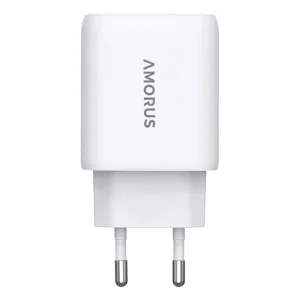
Amorus Pd 30W GaN USB-a Type-C Dual Port Adapter Phone Tablet Fast Charging Car Charger Dropshipping
View Technical Specifications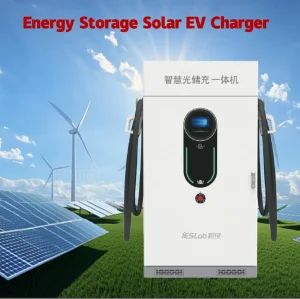
Reliable New Energy120kw 240kw 360kw Rapid Fast Solar Powered PV DC Electric Vehicle Car Battery EV Charger with Ocpp CCS2 Gbt Dual Connector
View Technical Specifications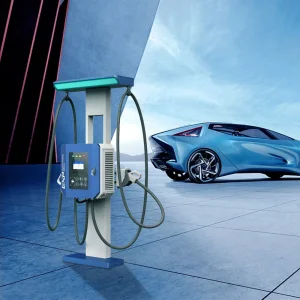
Evse DC 30kw 1000V EV Charging Point Fast Electric Vehicle Charging Pile Modular Design AC 22kw Option
View Technical Specifications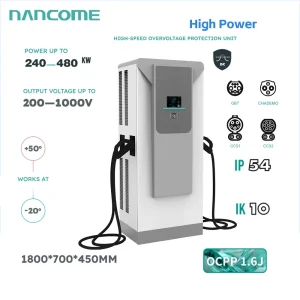
Nancome High-Efficiency High Power Charging Station for Logistics EV Charging with 360kw
View Technical Specifications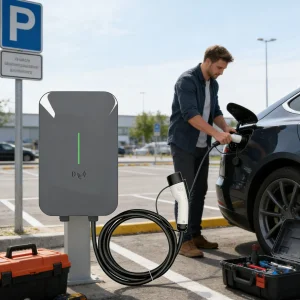
Compact 7kw EV Charger with RFID & Bluetooth for Apartment Buildings
View Technical Specifications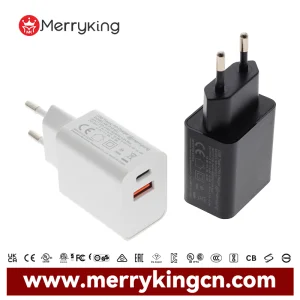
Merryking Pd 15W 20W 18W 30W CE Quick Fast Charger Dual Type C Port USB Power Adapter AC DC 5V 2A 2.1A Single/Dual Port USB Wall Charger for Mobile Phone
View Technical Specifications