Encountering issues with your electric vehicle (EV) charger can be frustrating. One common problem many users face is the frequent tripping of the circuit breaker. You might wonder, "Why does my EV charger keep tripping the circuit breaker?" This issue can stem from several factors, and understanding them is crucial for maintaining the safety and efficiency of your charging system.
When an EV charger trips the circuit breaker, it can indicate an overload. This often happens due to improper installation or outdated electrical systems. An experienced electrician can help identify these problems. Additionally, faulty chargers or defective wiring can also contribute.
It's worth noting that not addressing these issues can lead to more significant problems, potentially damaging your vehicle or home’s electrical infrastructure. Recognizing the signs early on can save you from costly repairs. Investigating the reason behind the tripping is essential for any EV owner who values both safety and functionality.
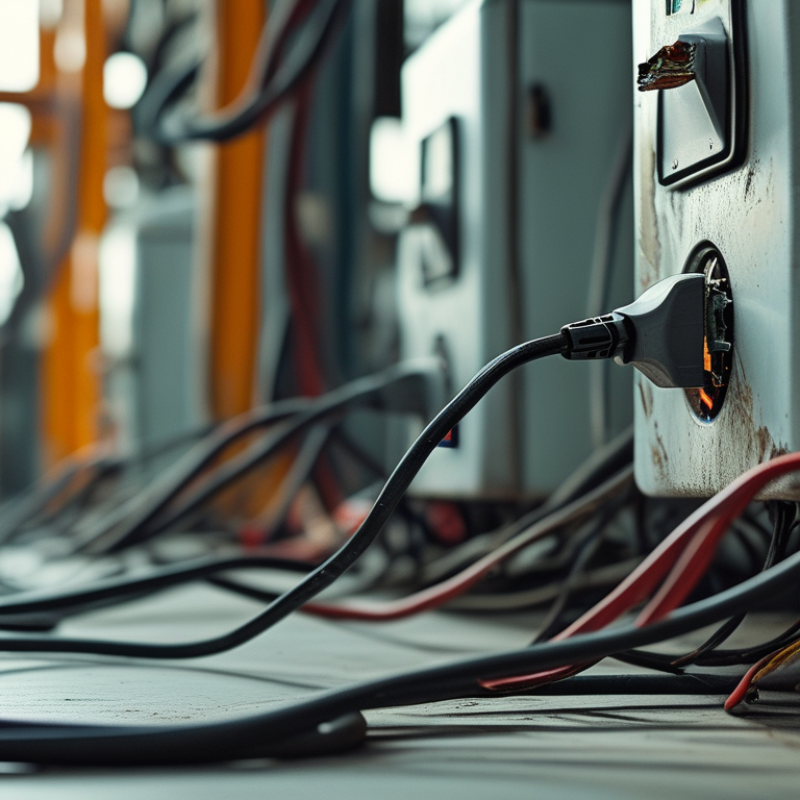
Causes of Circuit Breaker Tripping in EV Chargers
Electric vehicles (EVs) are becoming popular, but issues with charging can frustrate drivers. One common problem is circuit breakers tripping during charging sessions. Understanding the causes behind this issue can help in resolving it effectively.
Overloading is a frequent cause of circuit breaker tripping. According to the National Fire Protection Association, residential circuits should support a maximum amperage that does not exceed 80% of the breaker's rating. For instance, if you have a 20-amp breaker, the safe load is 16 amps. However, many EV chargers can draw more power than this limit, especially during peak usage hours.
Another potential issue is a ground fault. This can occur when there is a leak in the power system. The Electric Power Research Institute highlights that ground faults can cause dangerous electrical surges, which may easily trip the circuit breaker. Users should watch for unusual signs, like the charger feeling hot to the touch. Lastly, check the installation quality. Poorly installed chargers may lead to short circuits or faulty connections, prompting breakers to trip as a safety precaution. Addressing these factors can greatly reduce the frequency of tripping events.
Understanding Electrical Load Capacity for EV Charging
When using an EV charger, understanding electrical load capacity is crucial. Many chargers need significant power, which can overburden your circuit. According to the U.S. Department of Energy, a Level 2 EV charger typically draws 30 amps or more. This demand can easily exceed your home’s electrical capacity, causing circuit breakers to trip.
To avoid this issue, you need to know your home’s electrical load. A standard household circuit is often rated for 15 or 20 amps. Exceeding this limit while charging could lead to frequent interruptions. Many homeowners underestimate the combined load of devices. Therefore, avoiding multiple high-demand devices on the same circuit while charging is wise.
Manage your electrical resources wisely. Regularly check your circuit's status and consult a professional if tripping persists. It’s crucial to assess your home’s wiring to handle your charger’s requirements. Is it outdated? Upgrading might be necessary. Remember, safe charging is a priority, not an inconvenience.
Common Signs of Electrical Issues with EV Chargers
Electrical issues with EV chargers can manifest in several significant ways. One common sign is frequent tripping of the circuit breaker. According to a report from the National Renewable Energy Laboratory, nearly 30% of EV owners experience electrical problems due to improper installation or insufficient circuit specifications. This can result in chargers drawing more current than the circuit is rated for, leading to breaker trips.
Another indicator of deeper issues is unusual noises emitted from the charger. Sounds like buzzing or humming can suggest loose connections or faulty components. These problems can escalate if not addressed. The Electric Vehicle Charging Association notes that up to 15% of chargers suffer from major malfunctions if early signs go unnoticed. Additionally, overheating of the charging unit can signify electrical hazards. This could point to aging infrastructure or inappropriate wiring—the latter of which can lead to dangerous conditions.
Lastly, inconsistent charging behaviors can raise red flags. If your EV charger charges sporadically or at different speeds, it might indicate an underlying electrical fault. A survey cited by the Institute of Electrical and Electronics Engineers shows that 20% of users experienced such irregularities. Always prioritize safety and consult a qualified technician when you spot these signs.
Why Does My EV Charger Keep Tripping the Circuit Breaker? - Common Signs of Electrical Issues with EV Chargers
| Issue |
Description |
Possible Causes |
Recommended Action |
| Frequent Trips |
The circuit breaker trips every time the charger is used. |
Overloading, short circuit, fault in charger. |
Check load on circuit and reduce devices; inspect charger for faults. |
| Intermittent Charging |
Charging stops unexpectedly during an active session. |
Loose connections, faulty charger, inadequate circuit. |
Inspect connections; test charger functionality; evaluate circuit capacity. |
| Burnt Smell |
A burning smell comes from the charger or outlet. |
Overheating, damaged wiring, equipment failure. |
Stop using immediately; have a professional inspect wiring and equipment. |
| No Power |
The charger does not power on. |
Tripped breaker, blown fuse, malfunctioning charger. |
Reset the breaker; replace fuses; check charger status. |
| Charging Slow |
EV charges slower than expected. |
Weak electrical supply, charger issues, vehicle problems. |
Evaluate electrical supply; inspect charger and vehicle settings. |
Troubleshooting Steps for Circuit Breaker Tripping
When dealing with an EV charger that keeps tripping the circuit breaker, it's essential to follow systematic troubleshooting steps. One common reason for this issue is the overload on the circuit. Reports indicate that many households lack sufficient capacity for high-demand devices like EV chargers. It's advisable to check the electrical capacity of your circuit. A standard home circuit may only support 15-20 amps, while a Level 2 EV charger can demand up to 40 amps. If your circuit is overloaded, the breaker will trip to prevent overheating.
Another key factor is a faulty charging unit. Industry data suggests that about 8% of home charging systems face technical failures due to substandard wiring or connections. Inspecting your charger for any visible signs of wear, loose connections, or damaged wires is important. Additionally, regular maintenance checks can help identify potential issues before they escalate. You might find yourself addressing frequent breaker trips if the wiring was not installed correctly or does not meet local electrical codes.
Finally, consider environmental factors. High ambient temperatures can affect circuit performance. If your charger is in a garage or an unventilated space, monitor the temperature. It may be worth relocating the unit or improving ventilation when necessary. Tracking these elements may provide a clearer picture of what's causing the circuit breaker to trip.
EV Charger Circuit Breaker Tripping Issues
Preventive Measures to Avoid Circuit Breaker Issues with EV Chargers
When your electric vehicle (EV) charger keeps tripping the circuit breaker, it can be frustrating. Understanding some preventive measures can help you avoid this common issue. One reason for tripping could be an overloaded circuit. Always check the circuit capacity before installing your charger. Make sure it aligns with the charger's power requirements.
Inadequate wiring can also cause problems. Installing a charger requires proper gauge wiring, which differs depending on the amperage. Consider consulting a certified electrician to assess your home's electrical system. They can ensure everything meets local codes and is safe for your use. Sometimes, it might be tempting to handle this yourself. However, it’s crucial to have the right expertise.
Additionally, regular maintenance is key. Cleaning dust and debris from the charger plug and outlet can reduce overheating. Inspect the charger and circuit breaker for signs of wear or damage. Sometimes, simple visual checks can prevent significant malfunctions. Finally, consider installing a surge protector. It adds an extra layer of safety, reducing the risk of future trips.
FAQS
: Frequent tripping of the circuit breaker, unusual noises, and overheating are key signs.
This often indicates an overload on the circuit or a faulty charging unit.
Verify the circuit capacity; a standard circuit supports 15-20 amps while a Level 2 charger may need up to 40 amps.
Buzzing or humming sounds can suggest loose connections or faulty components.
Ensure your circuit capacity meets the charger's needs and consult a certified electrician for proper installation.
Regularly inspect for wear, clean dust off the charger, and check the circuit breaker for damage.
Look at the wiring and infrastructure; improper installation or poor ventilation can cause dangerous overheating.
Yes, high ambient temperatures in unventilated areas may impact circuit performance, requiring better airflow or relocation.
It’s tempting, but proper expertise is essential to meet local codes and ensure safety.
Installing a surge protector adds an extra safety layer and helps prevent circuit issues.
Conclusion
If you've ever wondered, "Why does my EV charger keep tripping the circuit breaker?", you are not alone. This issue can be caused by several factors, such as overloading the electrical circuit, faulty wiring, or a malfunctioning charger. Understanding your electrical load capacity is crucial, as exceeding this limit can lead to frequent breaker trips. Additionally, certain signs like flickering lights or a burning smell could indicate underlying electrical problems.
To troubleshoot and resolve these circuit breaker trips, it's essential to inspect the charging equipment and the electrical system. Simple preventive measures, such as scheduling regular electrical inspections and ensuring your charger is appropriately rated for your circuit, can help mitigate these issues. By taking these steps, you can enjoy a more reliable charging experience without the frustration of circuit breakers tripping unexpectedly.
 VoltNode Charger
